
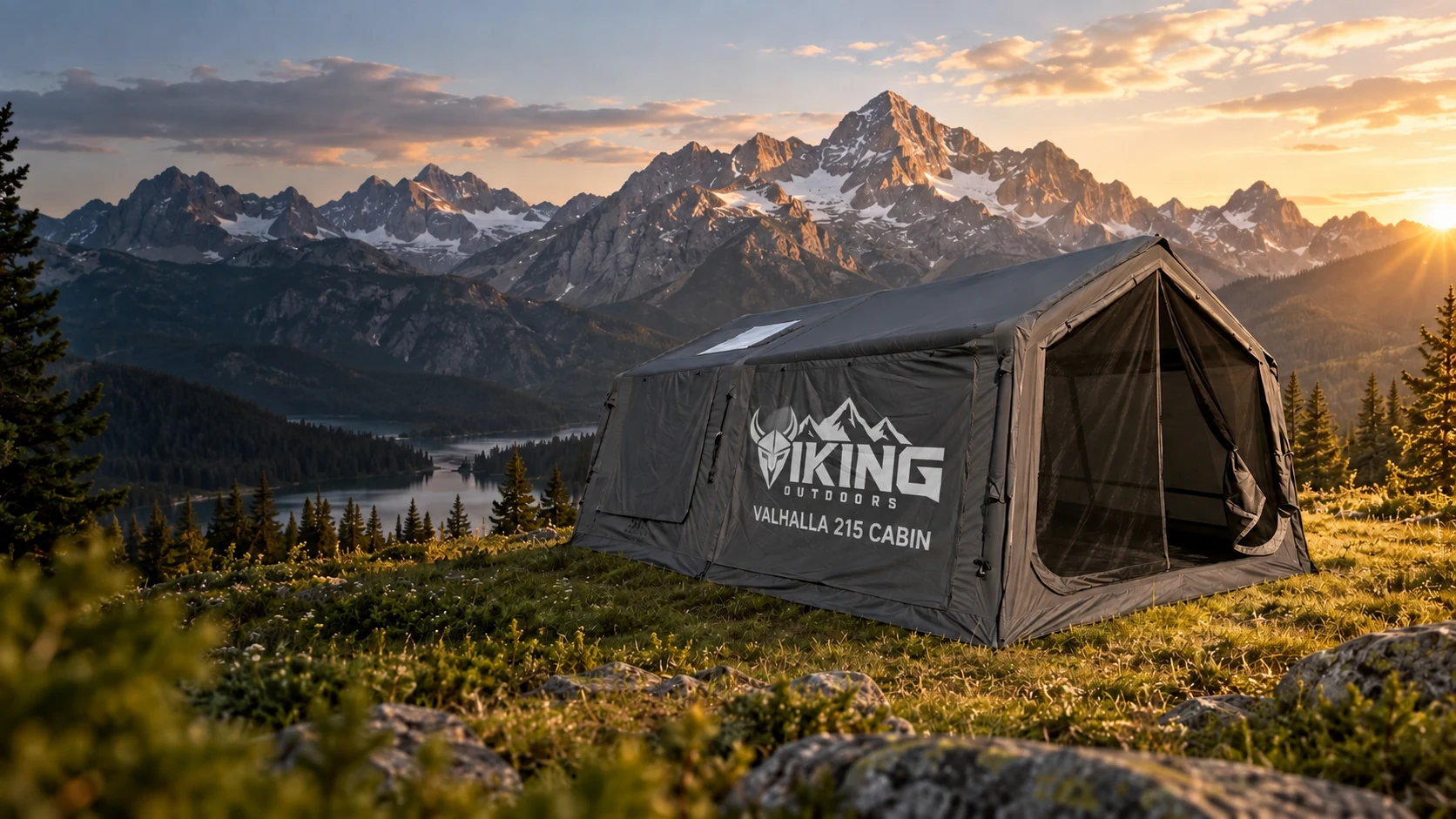
What is an inflatable tent?
An inflatable tent—often called an air tent—replaces most traditional structural poles with air beams. You still have fabric, a floor, stakes and guy lines, but the main frame is raised by inflating the beams with a compatible pump.
That changes the setup process, but it does not remove the need to compare the same fundamentals that matter with any large camping shelter: usable floor space, standing height, weather-aware anchoring, packed size, ventilation, materials and how the interior is divided.
The eight things worth comparing before you buy
- Setup footprint. Measure the campsite space you actually need, including vestibules and connected sections—not just the sleeping area.
- Peak and sidewall height. Standing room is useful, but wall shape also affects how much of the floor feels usable.
- Layout. Decide whether you want one open room, a divider, a separate living area, a vestibule or multiple connected cabins.
- Shell material. Fabric affects packed weight, drying, interior feel and maintenance. Compare the full construction rather than one material buzzword.
- Packed dimensions. Large air tents can be bulky. Confirm that the packed tent fits your vehicle and storage plan.
- Pump and valves. Verify what pump is included, whether an electric pump is optional, and the model-specific inflation instructions.
- Mesh, windows and removable panels. Airflow and privacy options matter when several people share one shelter.
- Included equipment and support. Check pegs, guy lines, rain covers, floors, repair items and what replacement/support options are available.
Choose the layout before the model name
A common mistake is starting with a person-count label. A more useful approach is to sketch the way you camp: sleeping zone, bags and coolers, changing space, chairs, pets, and whether you want a separate area when weather keeps everyone inside.
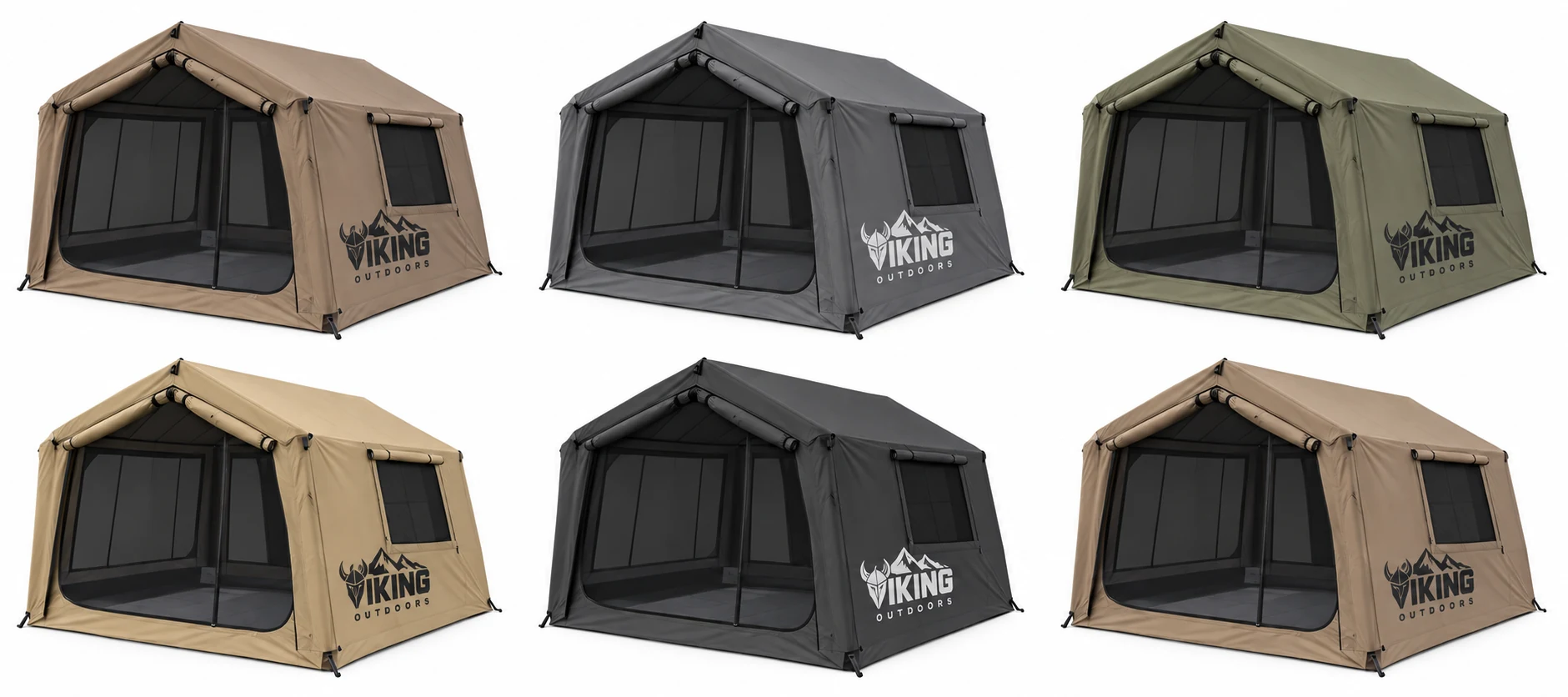
Valhalla tent
Valhalla 86 Cabin
$1,249 USD
Tall cabin with large windows. 8 ft peak/height profile.
View Valhalla 86 Cabin →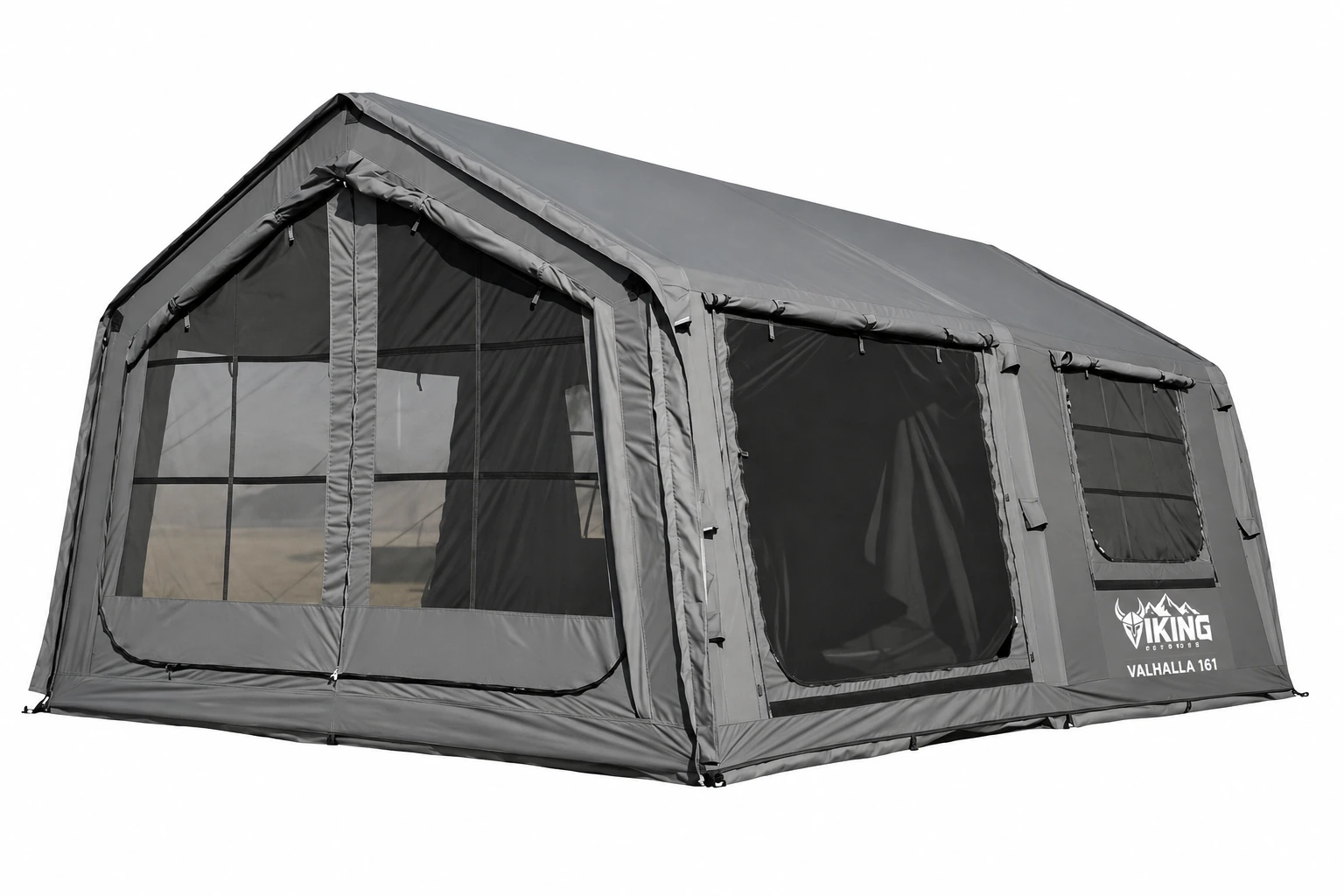
Valhalla tent
Valhalla 161
$1,849 USD
Integrated cabin with bedroom divider. 7 ft 7 in peak/height profile.
View Valhalla 161 →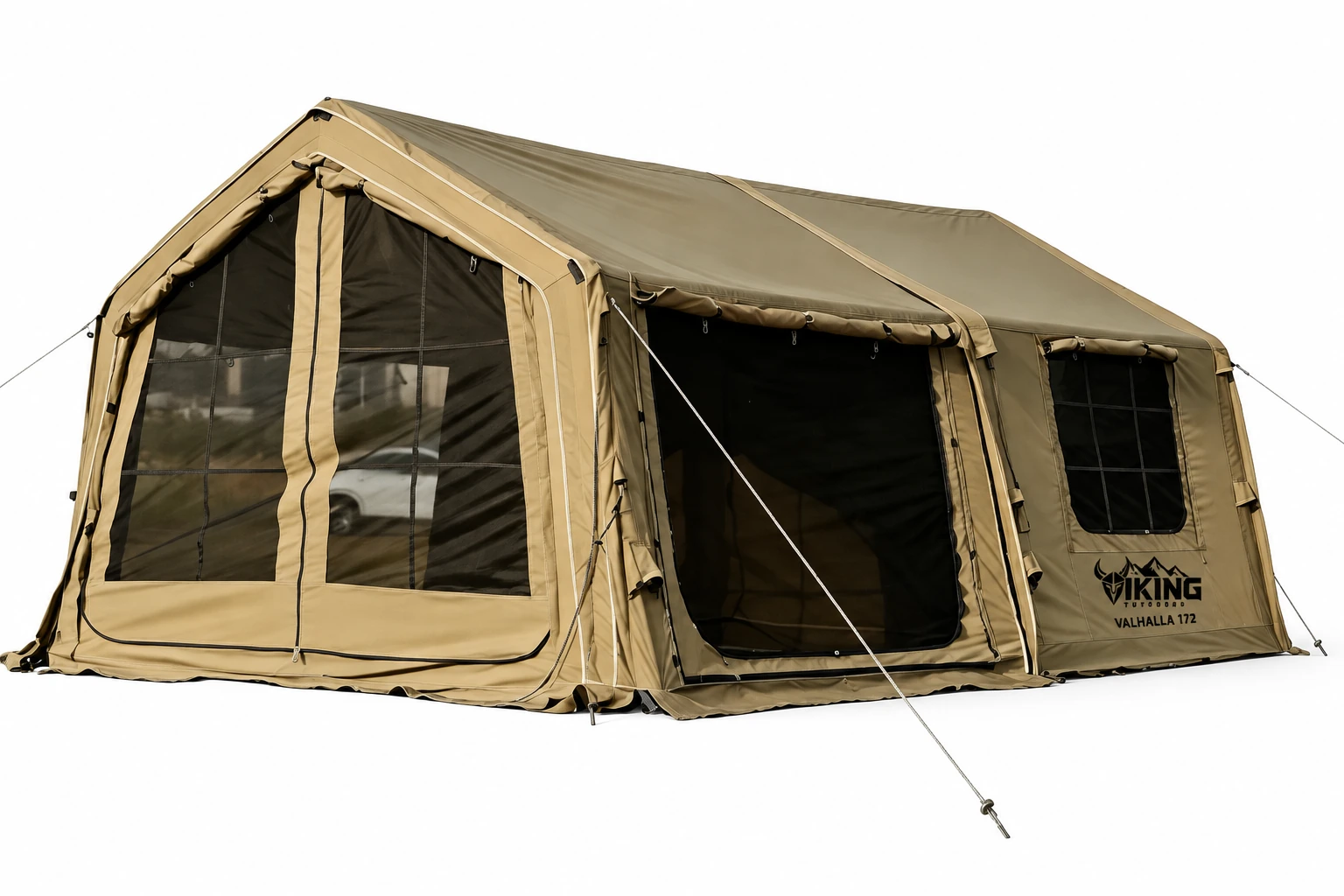
Valhalla tent
Valhalla 172
$1,999 USD
Main cabin + vestibule with removable floor. 7 ft 7 in peak/height profile.
View Valhalla 172 →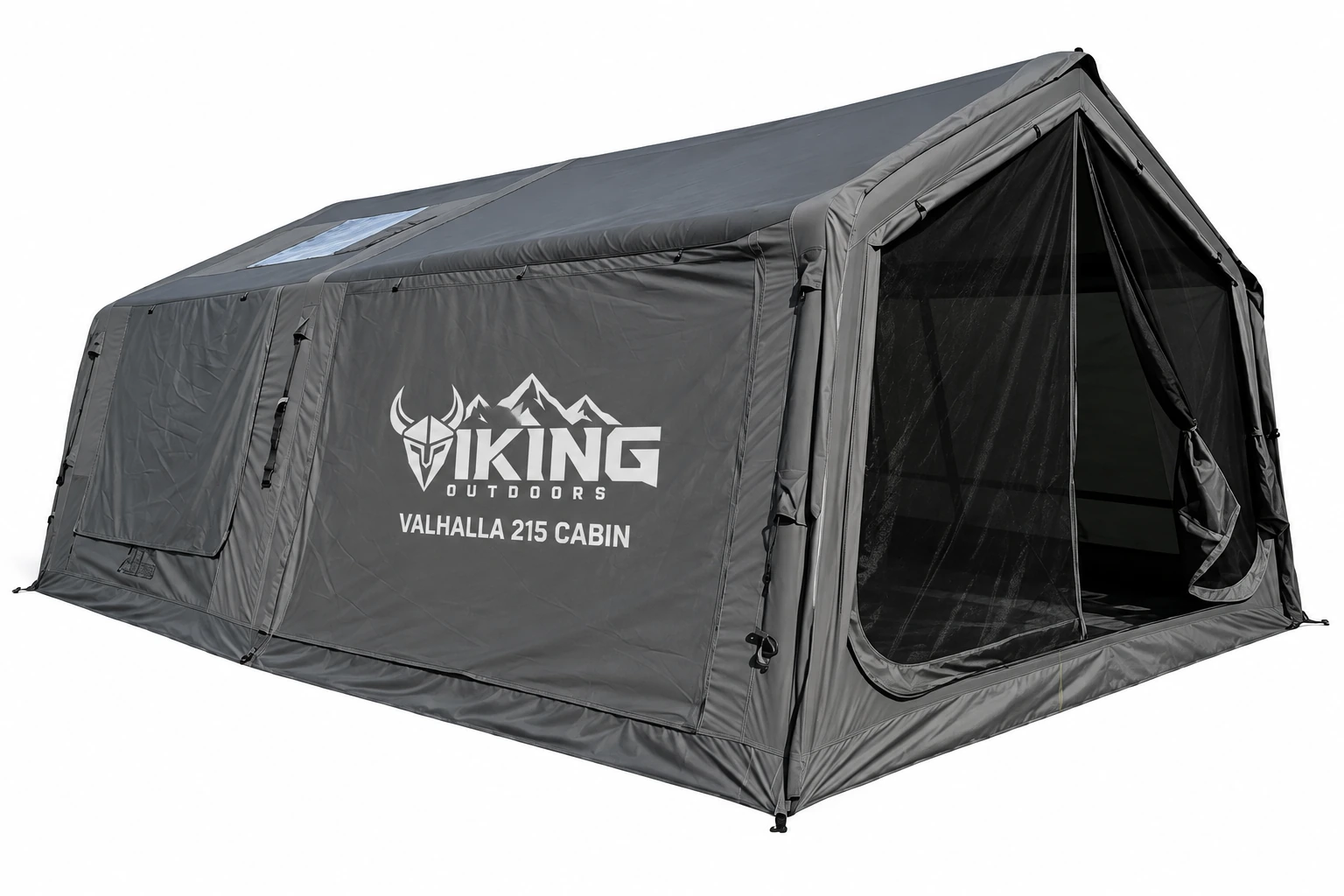
Valhalla tent
Valhalla 215 Cabin
$2,149 USD
Integrated cabin with bedroom divider and living area. 8 ft peak/height profile.
View Valhalla 215 Cabin →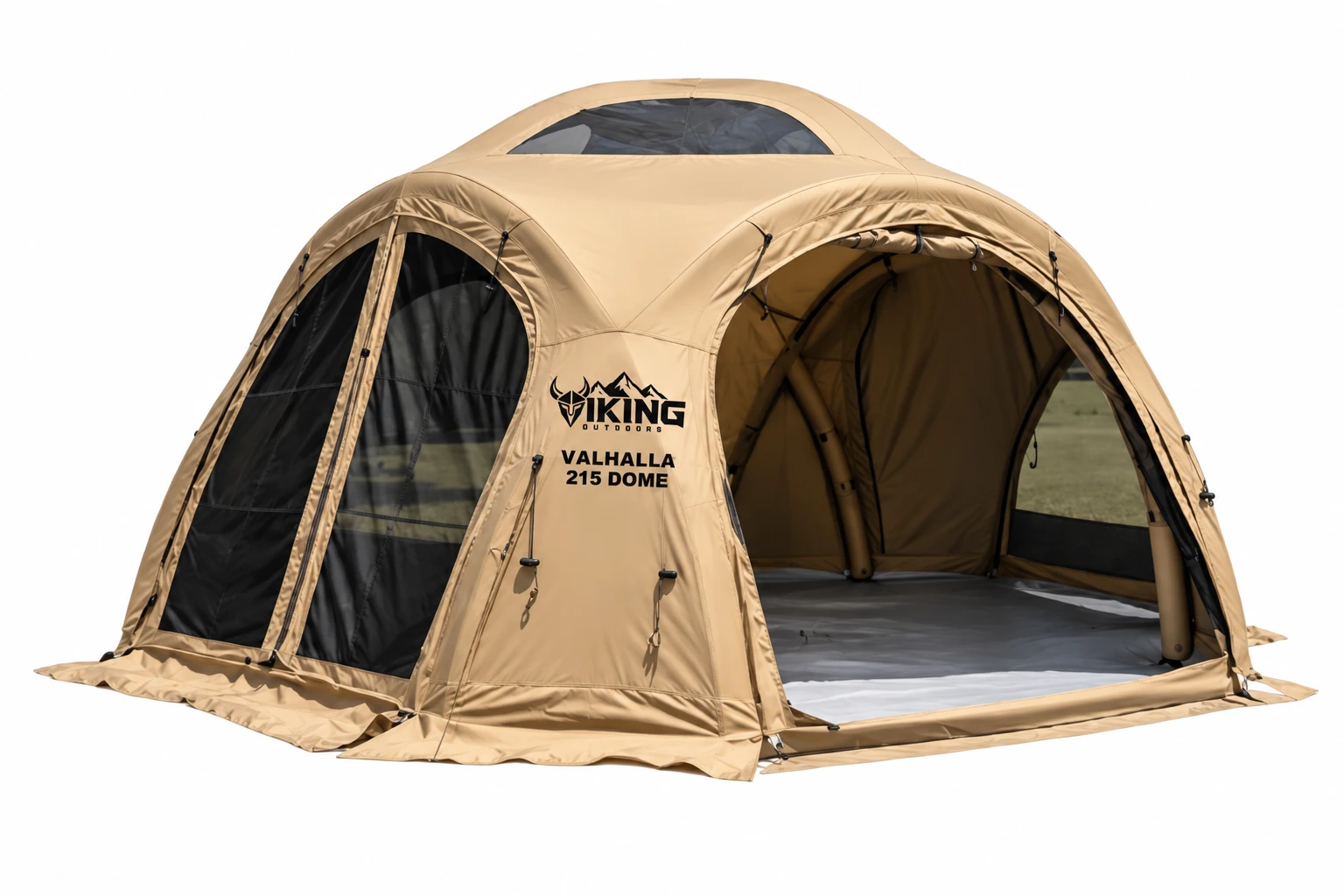
Valhalla tent
Valhalla 215 Dome
$2,249 USD
Open dome interior with access in four directions. Standing-height open dome peak/height profile.
View Valhalla 215 Dome →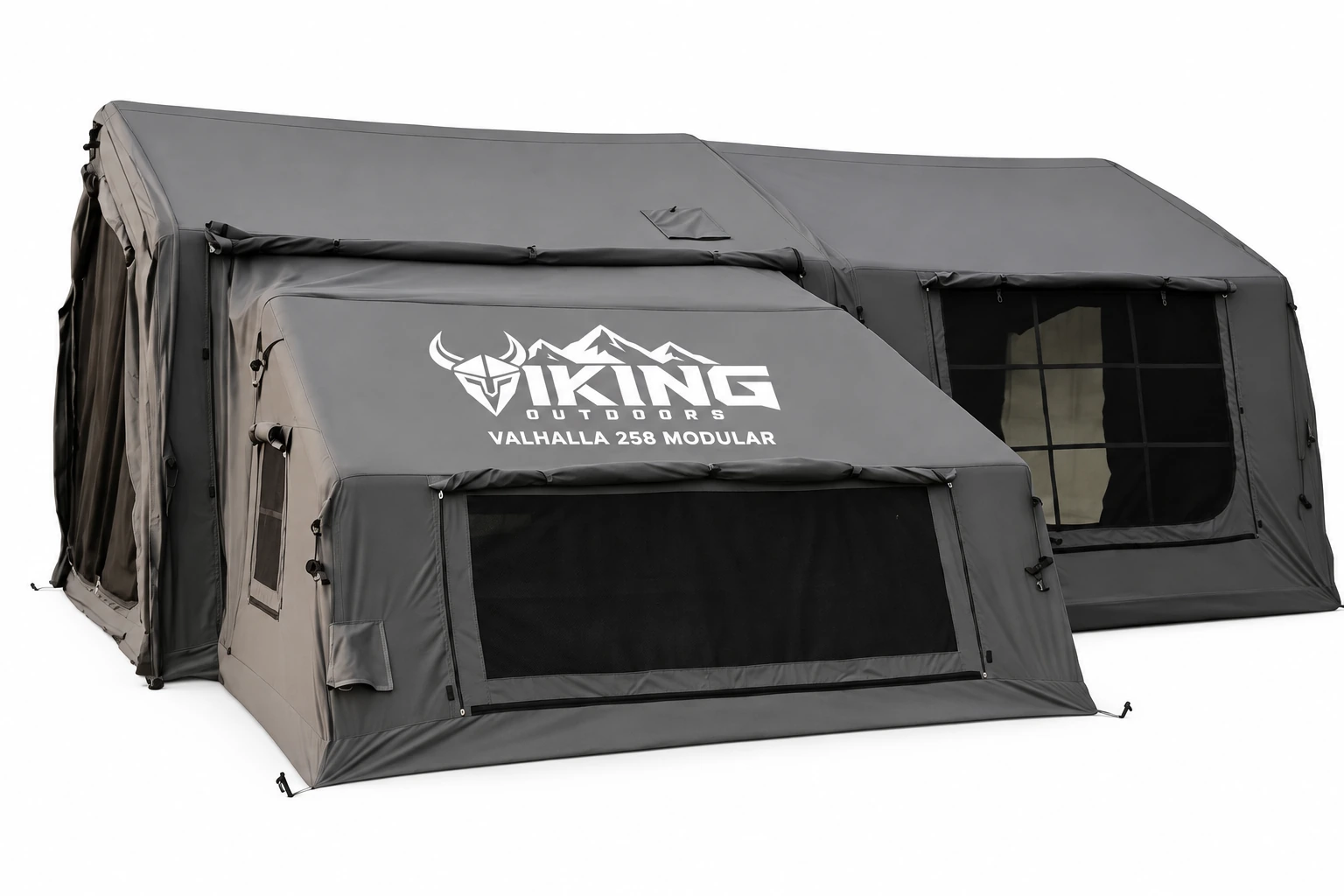
Valhalla tent
Valhalla 258 Modular
$2,999 USD
Two main cabins + one small cabin. 8 ft main cabins; 4 ft 7 in small cabin peak/height profile.
View Valhalla 258 Modular →Viking does not use an unsupported “comfortable capacity” claim on these guides. Use the published dimensions to decide whether your actual sleep and living layout fits.
Material and packed-size tradeoffs
The current Valhalla line uses a TC Tech Cotton shell made from 35% cotton and 65% polyester. A blended fabric can be a good fit for vehicle-supported camping where interior comfort matters and the larger packed size is acceptable. A lighter synthetic tent may make more sense when cargo weight, fast drying or smaller packed volume matter more.
Fabric alone does not tell you a tent’s waterproof performance, wind performance or safe-season range. Those depend on the full design, coatings, seams, anchoring and model instructions.
Read: TC cotton vs polyester tents →Manual pump vs electric pump
Every current Valhalla tent includes a manual pump. Viking also sells a rechargeable electric pump as an optional $149 add-on. The manual pump means you are not dependent on shore power or a battery to pitch the tent; the electric pump is a convenience option.
Always use the valve adapter and pressure specified for the exact tent. Do not substitute a high-pressure compressor unless the written model instructions explicitly allow it.
If you already know your desired footprint and layout, the size comparison is the fastest way to narrow the nine current models.
Open the size comparison →Safety questions to answer before camp
- Where will the tent be anchored, and is the surface appropriate for the supplied stakes?
- What are the exact model-specific inflation instructions?
- Where will cooking equipment, generators and heat sources remain outside the shelter?
- If the tent has a stove-jack feature, do the written instructions for both the exact tent and exact stove permit that combination? A stove jack alone does not establish safe stove compatibility.
- What permanent shelter is available if dangerous weather develops?
Next step: compare actual dimensions
You do not need to choose from marketing photos alone. The current Viking catalog publishes setup footprints, heights, layouts, packed dimensions, included equipment and pricing for all nine Valhalla models.